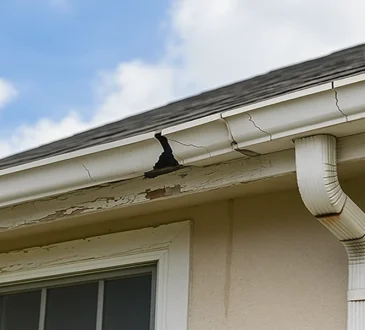
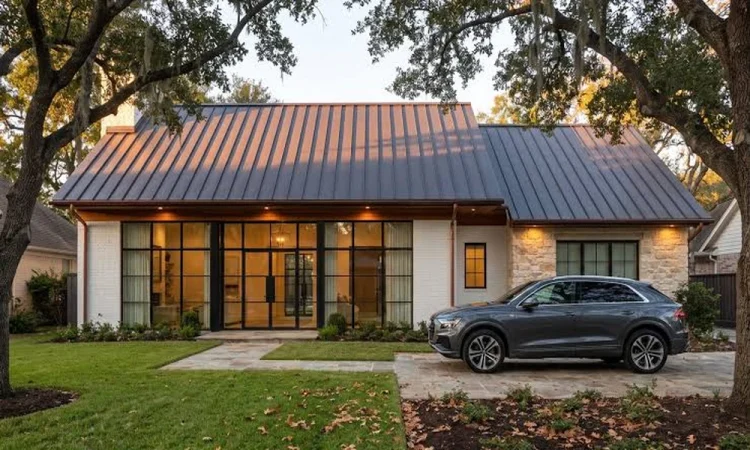
Few homeowners around Houston replace their whole exterior at once. A roof gets done after a hailstorm, windows come later when power bills climb, and siding waits until the trim goes soft. Each project feels separate, but on the house they all touch. Shingles lap over flashing, flashing tucks behind siding, and siding wraps around window frames. Get the order wrong and the second crew may have to cut into work the first crew just finished.
That overlap is the reason multi-trade contractors such as O&M Construction Services LLC in Stafford often talk about sequence before they talk about products. Its crews cover roofing, siding, gutters, windows and doors across Fort Bend County and greater Houston, a mix of work that makes it easy to see how tightly these parts of a home depend on one another.
The logic behind the right order is simpler than it sounds. It comes down to two things: how water moves across a house, and how much each job disturbs the parts around it.
Think Like a Raindrop
Water always travels down and out. On a well-built exterior, upper pieces overlap lower ones so water gets pushed outward, never inward. Builders call this “shingle fashion,” and it applies to walls and windows as much as roofs.
On the Gulf Coast the rule matters even more. Tropical storms push rain sideways, and humidity keeps sheathing damp for days. One reversed lap can channel water into a wall cavity where nobody sees it until the drywall stains.
So the general sequence runs from the top of the house to the bottom, and anything that tucks behind another component must go in before the piece that covers it.
Why the Roof Usually Leads
A reroof disturbs more of the exterior than most people expect. Crews remove and replace drip edge along the eaves. They often pull gutters off to reach the roof edge. Where a roof slope meets a wall, small L-shaped pieces called step flashing sit underneath the siding, and doing that detail properly means lifting or removing the lowest courses of siding along that line.
If the siding is brand new, the roofer either works around old flashing, which is risky, or cuts into fresh siding. Doing the roof first avoids that conflict.
Material choice is the other half of the roof decision. The Texas Department of Insurance recommends that homeowners consider roofing products less likely to be damaged by wind, hail or fire and points out that some insurers offer discounts for them. That is worth asking about before the shingles are ordered, since impact rated options cost more up front.
When siding is planned for later, ask the roofer to note a few details for the next crew:
- what step flashing was installed and where
- whether kick-out flashing was added where roof meets wall
- the condition of the fascia behind the gutters
Windows Before Siding, Not After
Windows and siding share the same water defense. Behind the siding is a water resistive barrier, usually house wrap, and window flashing tape has to lap correctly into it. Top flashing goes over the wrap, side and bottom pieces go under it. That only works cleanly when the window is installed while the wall is open.
Replace windows after new siding and the installer has to cut back cladding and patch the wrap. Every patch is a spot where water could find a way in. If both projects fall within a few years, windows first, or both together, is usually smarter.
Window selection in this region is also different from what works up north. ENERGY STAR sets separate certification criteria for each U.S. climate zone, and in hot southern areas the emphasis falls on blocking solar heat gain rather than holding heat in. For a west facing wall in Sugar Land or Katy, that rating can matter more than the frame material.
Many Houston homes add a wrinkle: brick on the ground floor with siding above. Windows in brick usually get insert units, while sided walls often get full frame replacements, which changes the quote.
Gutters and Trim Close the Job
Gutters hang on fascia boards, and fascia gets covered, wrapped or replaced during both roofing and siding work. Installing new gutters before those jobs means taking them down again. Saving them for the end lets the installer size them to the finished roofline and place downspouts with care.
That placement matters around Houston. Much of the region sits on expansive clay that swells when wet and shrinks when dry. Downspouts dumping water right beside a slab can feed that cycle and add stress to the foundation. Extensions that move water several feet away are a small detail with a long payoff.
When the Usual Order Flips
Real life does not always follow the ideal sequence. An active leak cannot wait for a window budget. A storm can shatter a window long before siding is on the table, and an insurance claim might cover the roof alone.
Going out of order is fine as long as the second project reintegrates the flashing properly instead of relying on caulk to bridge the gap. Sealant fails in the heat and sun here within a few seasons. Overlapping metal and tape, installed the right direction, does not.
Spreading the Work Over Several Years
The most useful habit is treating the exterior as one long project rather than a string of unrelated repairs. A single walkthrough of the whole shell, roof to foundation, can map which parts are near the end of their life and which can wait. From there, the work can be staged to fit a budget without forcing any crew to undo another’s work.
A simple file of product names, colors, install dates, warranties and photos of flashing before it gets covered will save time for every contractor who comes later. Timing matters too. Exterior work happens year round in this climate, but leaving walls opened up during peak hurricane season invites trouble, so bigger wall projects often fit best in late fall through spring.
One Shell, Many Projects
A house exterior works as a single system even when it gets rebuilt one piece at a time. Starting at the top, letting windows go in before the walls close, and finishing with gutters keeps each layer lapping the way water expects. Homeowners who plan with that order in mind tend to spend less on rework, see fewer hidden leaks, and end up with an exterior where every part actually protects the one beneath it.