When assessing older homes, particularly those built before the late 1980s, it is important to consider the possibility of asbestos in various building materials, including flooring. Identifying potential asbestos in vintage flooring requires a careful approach, focusing on material types, installation dates, and visual cues. Homeowners and renovators should approach suspected materials with caution, prioritizing safety above all else.
Common Flooring Materials Suspected of Containing Asbestos
Several types of flooring commonly found in older homes may contain asbestos. These materials were popular for their durability and aesthetic qualities before the health risks associated with asbestos became widely known.
- Vinyl Floor Tiles: Both 9-inch and 12-inch vinyl tiles, especially those manufactured before the early 1980s, are frequently suspected of containing asbestos. These tiles often have distinct patterns and colors.
- Sheet Flooring/Linoleum: Similar to tiles, sheet vinyl and linoleum flooring from earlier eras can also contain asbestos fibers within their composition.
- Adhesives and Mastic: The black, tar-like adhesive used to secure older flooring materials is another common source of asbestos exposure. This mastic can release fibers when disturbed.
Age as a Primary Indicator of Asbestos Risk
The age of the flooring is one of the most significant factors in determining the likelihood of asbestos content. Asbestos was widely used in building materials from the 1930s through the 1970s, with its use gradually declining and eventually being phased out by the late 1980s.
- Flooring installed between the 1950s and 1970s has the highest probability of containing asbestos.
- Even flooring installed in the early 1980s may still contain asbestos, as regulations and product changes took time to be fully implemented.
- If the exact installation date is unknown, it is prudent to treat flooring from before the late 1980s as potentially containing asbestos.
Visual Clues in Older Floor Tiles and Adhesives
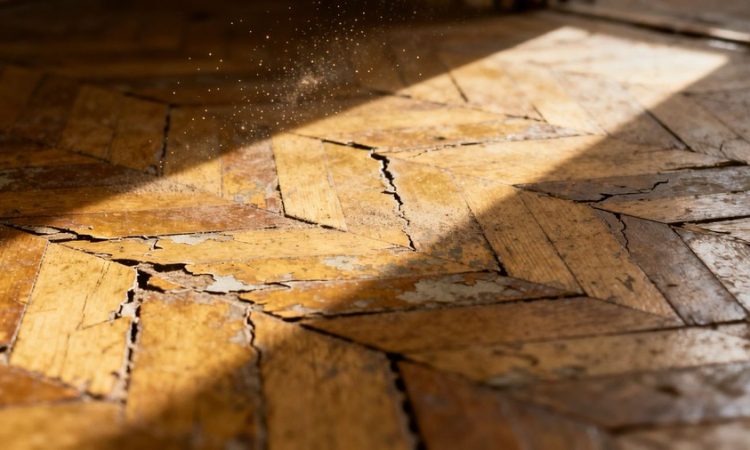
While visual inspection alone cannot definitively confirm the presence of asbestos, certain characteristics can raise suspicion. Asbestos floor tiles are often difficult to distinguish from non-asbestos tiles based solely on appearance, but they tend to be thinner and more brittle. If you suspect asbestos in your flooring, professional testing is recommended for accurate identification. The adhesive used to install these tiles, often a black, tar-like substance, is also a common source of concern. If the flooring is in good condition and undisturbed, the risk is generally low. However, any signs of damage, wear, or crumbling in the tiles or adhesive warrant careful consideration. For more information on identifying potential asbestos, resources on asbestos floor tiles can be helpful.
Understanding Asbestos Risks in Older Homes
Many older homes, particularly those built before the 1980s, may contain asbestos in various building materials, including flooring. This was due to asbestos’s desirable properties like heat resistance and durability. While asbestos was widely used, its presence in homes today poses potential health concerns if disturbed. Understanding these risks is key to maintaining a safe living environment.
The Prevalence of Hidden Asbestos in Vintage Homes
Asbestos was a common additive in building materials for decades. It was valued for its strength, heat resistance, and insulating capabilities. Consequently, a significant number of homes constructed during this era likely have asbestos-containing materials (ACMs) integrated into their structure. These materials can be found in:
- Flooring tiles and their adhesives
- Ceiling tiles and textured coatings
- Insulation around pipes, ducts, and boilers
- Siding and roofing materials
- Drywall joint compounds
It’s important to remember that asbestos-containing materials are not inherently dangerous if they remain intact and undisturbed. The risk arises when these materials degrade or are damaged, releasing microscopic fibers into the air. These fibers can then be inhaled, leading to serious health issues over time. For anyone concerned about potential asbestos in their home, consulting resources on asbestos in older homes is a good first step.
Why Asbestos Was Used in Flooring Materials
In the mid-20th century, asbestos was a popular choice for flooring manufacturers. Its inclusion in products like vinyl tiles and sheet flooring offered several advantages from a manufacturing perspective. It enhanced the material’s durability, making it more resistant to wear and tear. Furthermore, asbestos contributed to fire resistance and provided some degree of insulation. This made it an attractive, cost-effective additive for creating long-lasting and resilient flooring solutions. Manufacturers often incorporated asbestos into the backing of sheet flooring and into the composition of vinyl tiles themselves.
Health Implications of Disturbed Asbestos Fibers
When asbestos-containing flooring materials are disturbed—through activities like sanding, cutting, demolition, or even regular wear and tear over many years—tiny asbestos fibers can become airborne. These microscopic fibers are easily inhaled and can lodge themselves deep within the lungs. Over extended periods of exposure, this can lead to severe respiratory diseases. The most well-known of these is mesothelioma, a rare and aggressive cancer. Other asbestos-related illnesses include asbestosis, a chronic lung condition that causes scarring, and various forms of lung cancer. The latency period for these diseases can be decades, meaning symptoms may not appear until many years after exposure has occurred. Therefore, prudent handling and awareness are paramount when dealing with suspected asbestos materials.
Navigating Asbestos Concerns During Home Renovation
When undertaking renovations in older homes, particularly those built before the 1980s, it is prudent to consider the potential presence of asbestos in various building materials, including flooring. While the thought of asbestos can be concerning, understanding how to approach it safely is key. The primary goal during renovation is to avoid disturbing materials that may contain asbestos.
When to Suspect Asbestos in Flooring Materials
Several factors can indicate a higher likelihood of asbestos in your flooring:
- Age of the Home: Houses constructed before the 1980s are more likely to contain asbestos-containing materials. If your home was built between the 1940s and the late 1970s, the chances increase significantly.
- Type of Flooring: Certain types of vintage flooring, such as vinyl tiles (especially 9×9 inch tiles), linoleum, and the adhesives used to install them, were commonly manufactured with asbestos.
- Visual Appearance: While not definitive, some older flooring patterns and colors might be associated with asbestos-containing products. However, visual inspection alone is not a reliable method for identification.
Safe Practices for Handling Suspected Asbestos Flooring
If you suspect asbestos is present in your flooring, the safest approach is to treat it as if it contains asbestos until proven otherwise. Disturbing asbestos-containing materials can release harmful fibers into the air.
- Avoid Disturbance: Do not sand, saw, scrape, or break up the flooring material. If the flooring is intact and covered, it generally poses minimal risk.
- Professional Inspection: For peace of mind or before significant renovation work, consider hiring a qualified professional to inspect and test the materials. They can collect samples safely for laboratory analysis.
- Minimize Dust: If you must work near the flooring, take precautions to minimize dust. Wet cleaning methods are preferable to dry sweeping.
Options for Managing Asbestos Flooring in Place
In many cases, asbestos flooring does not need to be removed. Encapsulation or covering the existing floor is often a safer and more cost-effective solution than removal, especially if the material is in good condition and undisturbed. This approach prevents the release of asbestos fibers. For more information on managing asbestos safely, resources on asbestos abatement can provide further guidance.
Manufacturers and Timeframes of Asbestos Flooring
When you’re dealing with older homes, understanding which companies made flooring and when they might have used asbestos is a big help. It’s not always easy to pinpoint, but knowing the general timeframes can give you a good idea of what you might be looking at.
Key Manufacturers of Asbestos-Containing Flooring
Several big names in the flooring industry produced materials that contained asbestos. While it’s hard to get a complete list, some of the more common manufacturers whose products might contain asbestos include:
- Armstrong: Known for a wide range of flooring, including vinyl asbestos and asphalt asbestos tiles. Patterns like ‘Caligula’ and ‘Excelon’ are often cited.
- Kentile: Another major player, Kentile also produced asphalt and vinyl asbestos tiles in various sizes and patterns.
- Other Manufacturers: Companies like Congoleum-Nairn and Flintkote also manufactured flooring products that could contain asbestos.
It’s important to remember that many of these companies produced flooring for decades, and the use of asbestos varied over time.
Typical Decades When Asbestos Was Common in Flooring
Asbestos was widely used in flooring materials for a long time, but its prevalence peaked during certain periods. Generally, you’ll find asbestos in flooring from:
- The 1940s through the early 1980s: This is the broadest timeframe. Asbestos was a common additive in both asphalt-based and vinyl-based flooring during these years.
- Peak Usage (1950s-1970s): The mid-20th century saw the highest volume of asbestos-containing flooring being manufactured and installed.
- Phasing Out (Early 1980s): While production largely ceased by the early 1980s, it’s possible that ‘new old stock’ was still being sold and installed for a few years after manufacturers stopped producing it.
If your home was built or renovated during these decades, there’s a higher chance your flooring might contain asbestos.
Identifying Flooring by Manufacturer and Pattern
Pinpointing the exact manufacturer and pattern can be tricky, but there are some clues:
- Look for Manufacturer Marks: Sometimes, there are faint markings or logos on the back of tiles, though these can be hard to find or read on old flooring.
- Compare Patterns and Sizes: Many websites and resources offer photo guides of vintage flooring. Comparing your flooring’s pattern, color, and size (e.g., 9×9 inch, 12×12 inch, or even smaller 6×6 inch tiles) to these guides can help narrow down the possibilities.
- Consider the Age of Your Home: The era your home was built or last significantly updated is a strong indicator. For instance, 6-inch tiles in certain patterns are often associated with the 1950s.
Even with these clues, the most reliable way to know for sure is through professional testing. However, if your flooring dates from the peak asbestos years and matches known asbestos-containing patterns, it’s often safest to presume it contains asbestos and handle it with care.
Testing and Professional Guidance for Asbestos
When dealing with older homes, especially those with vintage flooring, it’s natural to wonder about potential asbestos. While visual inspection can offer clues, the only way to be absolutely certain is through professional testing. This isn’t a DIY situation; disturbing asbestos-containing materials can release harmful fibers into the air. Therefore, understanding when and how to get professional help is key.
The Role of Professional Asbestos Testing
Professional testing involves collecting samples of the suspected flooring material and sending them to a certified laboratory. These labs use specialized equipment, like Polarized Light Microscopy (PLM), to identify asbestos fibers. It’s important to note that air tests are generally not recommended for intact flooring, as the risk comes from disturbance. Settled dust tests might offer some peace of mind, but they are unreliable unless collected with careful consideration. The most reliable method for determining asbestos content in flooring is through direct sample analysis by a qualified lab. If you’re considering renovations, like covering the flooring, these tests might not be strictly necessary, but for any demolition or removal plans, they are a vital first step. Homeowners often find themselves in a stressful situation after discovering potential asbestos, much like one homeowner who found asbestos tiles under carpet in their Victorian house [ee18].
When to Consult Abatement Professionals
Consulting abatement professionals becomes necessary when testing confirms the presence of asbestos and you plan to remove or significantly disturb the material. If your flooring is damaged, crumbling, or you intend to undertake major renovations that involve demolition, it’s time to call in the experts. These professionals are trained to handle asbestos safely, using specialized equipment and procedures to prevent fiber release. They can advise on the best course of action, whether that’s removal (abatement) or encapsulation. For instance, if flooring is severely damaged, professional removal is usually the only safe option. They will set up containment areas, use negative air pressure, and wear protective gear to manage the hazard effectively.
Cost-Benefit Analysis of Asbestos Testing vs. Encapsulation
Deciding between testing, encapsulation, or removal involves weighing costs, risks, and future plans. Testing itself has a cost, but it provides definitive information. Encapsulation, which involves covering the asbestos material (e.g., with new flooring like laminate or drywall), is often the least disruptive and safest approach if the material is intact. This method avoids the high costs and risks associated with removal. However, encapsulation is not suitable if the material is already damaged or if you plan extensive demolition. Removal, or abatement, is the most expensive option and requires hiring licensed professionals. It’s a significant undertaking, but sometimes it’s the only way to fully address the hazard, especially if the material is compromised. Documenting any remediation or management steps taken can also be beneficial when selling a home in the future.
Mitigating Asbestos Hazards in Existing Floors
Encapsulation as a Safe Management Strategy
When dealing with vintage flooring that may contain asbestos, encapsulation presents a practical and often safer alternative to removal. This method involves covering the existing material to prevent the release of asbestos fibers into the air. The primary goal is to seal the asbestos-containing material (ACM) in place, rendering it inert and harmless. This approach is particularly recommended when the flooring is in good condition and has not been significantly disturbed.
Proper Procedures for Covering Old Flooring
Several methods can be employed to safely cover asbestos flooring:
- Surface Preparation: Before applying any new covering, the existing floor should be thoroughly cleaned. This typically involves damp wiping and vacuuming with a HEPA filter to remove any loose debris or dust. It is important to avoid dry sweeping or aggressive cleaning methods that could aerosolize fibers.
- Sealing: A specialized sealant or primer designed for asbestos abatement can be applied over the cleaned flooring. This creates a barrier that further binds any remaining fibers and provides a stable surface for the new flooring.
- Overlaying: A new flooring material can then be installed directly over the sealed surface. Common options include sheet vinyl, laminate flooring, or even a layer of plywood or drywall, depending on the desired outcome and the structural requirements of the space. This creates a physical barrier, effectively isolating the asbestos material.
Avoiding Dust-Creating Demolition Methods
Disturbing asbestos-containing flooring through methods like sawing, grinding, or aggressive demolition is the primary cause of fiber release and poses the greatest health risk. Therefore, it is strongly advised to avoid these practices. If removal is absolutely necessary, it should only be undertaken by certified asbestos abatement professionals who have the proper equipment and training to manage the hazard safely. For most homeowners, encapsulation is the preferred and most straightforward method for managing asbestos flooring risks.