


4views

Summer in the Sacramento Valley follows a daily rhythm that surprises newcomers. An afternoon can push well past 100 degrees, and by dawn the thermometer often sits somewhere near 60. That swing of thirty degrees or more is carried in by the Delta breeze, the marine air that slips through the Carquinez Strait from San Francisco Bay and spreads across the valley floor after sunset. It reaches Sacramento first and arrives in Roseville, Rocklin and the foothill towns a bit later and a little weaker, but on most summer nights it does arrive.
Homeowners who learn to work with that nightly cooldown lean on their air conditioners far less. The technicians at All 1 Mechanical have spent years in homes and commercial buildings across Placer and Sacramento Counties, and the pattern holds wherever they go. A system that rests overnight and coasts through the morning tends to outlast one that battles the heat around the clock. Below are six practical ways to let cool night air carry part of the load.
Open Up on the Breeze’s Timetable
The most common mistake is opening windows by the clock instead of by the temperature. Eight o’clock on a July evening can still be hotter outside than in. A cheap indoor and outdoor thermometer settles the question. Once the outdoor reading drops a few degrees below the indoor one, it is time to open up.
Placement matters as much as timing. The breeze generally pushes in from the southwest, so windows on that side act as intakes while windows on the opposite side let air escape. In a two story home, opening a low window downstairs and a high window upstairs sets up a natural chimney, pulling cool air in at ground level and pushing warm air out above. Window stops or vent locks let you keep openings secure while you sleep.
The other half of the routine is closing up. By mid morning the outside air usually climbs past the indoor temperature, and every minute the house stays open after that point undoes the night’s work.
Let the House Bank the Cold
A house is more than the air inside it. Drywall, a concrete slab, tile floors, cabinets and furniture all soak up heat during the day and give it back slowly. A long, cool overnight flush pulls that stored heat out of the structure itself, which is why a well ventilated house can stay comfortable until early afternoon without any mechanical help.
Shading protects that banked coolness. East facing windows need covering in the morning and west facing glass needs it from midday on. Exterior shades, awnings and solar screens stop heat before it passes through the glass, so they outperform interior blinds, which only catch the sunlight once it is already inside.
Bring In a Whole House Fan
Open windows depend on wind, and some nights the breeze barely stirs. A whole house fan removes the guesswork. Mounted in the ceiling of a hallway, it draws outdoor air through open windows and pushes the warm indoor air up into the attic and out through the attic vents. It also flushes the superheated attic air that would otherwise radiate down through the ceiling for hours.
These fans use a small fraction of the electricity an air conditioner draws, and California’s energy standards have long recognized them as a cooling strategy suited to hot inland valleys. They do need the right setup, though. The attic must have enough venting to let all that air escape, or the fan will struggle and force hot air back into the house. Homes with gas water heaters or furnaces need special care, because a powerful fan running with too few windows open can pull combustion gases back down the flue. Newer models with insulated dampers seal tightly in winter and run far more gently than the rattling units many people remember.
Pre-Cool Before Power Gets Expensive
Late afternoon and early evening are when many valley homes feel hottest and when electricity often costs the most under time of use plans. Pre-cooling shifts the work to cheaper hours. The house is cooled a few degrees below normal before the expensive window begins, and then the thermostat is raised so the system only has to maintain comfort. California’s Flex Alert program lays out this approach for summer evenings when the grid is stretched.
A smart or programmable thermostat makes the routine automatic. The technique works best in a reasonably tight, well insulated house. A drafty home loses its stored coolness too quickly for pre-cooling to pay off, so sealing gaps around ducts, attic hatches and recessed lights often matters more than the thermostat schedule itself.
Know the Nights to Keep the Windows Shut
Night air is a gift only when it is clean and actually cool. The valley sees several conditions that make ventilation a bad idea, including
- wildfire smoke drifting in from the foothills or farther away, which can settle into low areas overnight,
- stretches of a heat dome when nighttime lows stay in the 70s and the breeze never really arrives,
- peak pollen weeks for household members with allergies or asthma, and
- bedrooms on the ground floor where leaving windows open simply does not feel safe.
On those nights, keep the house closed and let the air conditioner recirculate indoor air. A higher grade filter, such as MERV 13, captures far more fine smoke particles, but it also restricts airflow, so it is worth confirming the system’s blower and ductwork can handle one before making the switch. Checking an air quality reading before opening up becomes second nature after a single smoky August.
Fit the Air Conditioner Into the Rhythm
None of this replaces an air conditioner. It changes how the system works. When the house starts each day cool, the compressor runs shorter cycles on milder afternoons and has more in reserve when a real heat wave hits. Variable speed equipment fits this pattern especially well, since it can run at low output for long stretches instead of cycling hard on and off.
The outdoor unit deserves attention too. Valley condensers collect dust from nearby fields, cottonwood fluff in spring and dried grass blown against the fins. A clogged coil forces the system to work harder at exactly the hottest hour. Shade from a nearby structure or shrub, kept a couple of feet away to allow airflow, can help it shed heat more easily. Homes still using evaporative coolers will notice they perform well in the valley’s usually dry air but lose ground on the occasional humid day, when the cooled air feels sticky rather than fresh.
Commercial buildings use the same principle on a larger scale. Rooftop units fitted with economizers pull in outside air whenever it is cooler than the air inside, giving offices and shops their own version of the evening breeze without anyone touching a window.
Living With a Valley That Cools Itself
The valley’s climate is demanding, but it is also predictable. Hot afternoons and reliably cooler nights give homeowners something many hot regions never get, which is a free source of cooling that arrives almost every evening. Using that air wisely, closing up before the day heats, shading the glass, and letting the air conditioner handle only what is left, adds up to lower bills, a more comfortable house and equipment that ages more slowly. The breeze will keep coming either way, so it might as well earn its keep.
add a comment
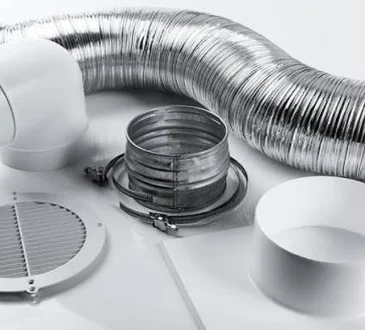
Existing Ducts Narrow Heating Choices More Than Price Does
Choosing a heating system in the Portland area is rarely about one spec sheet. Four pressures act on the decision...
