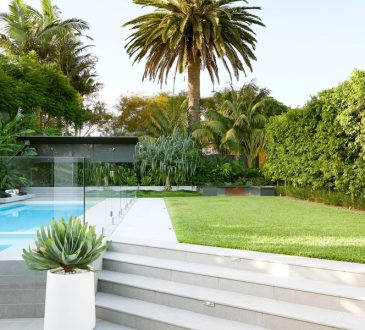
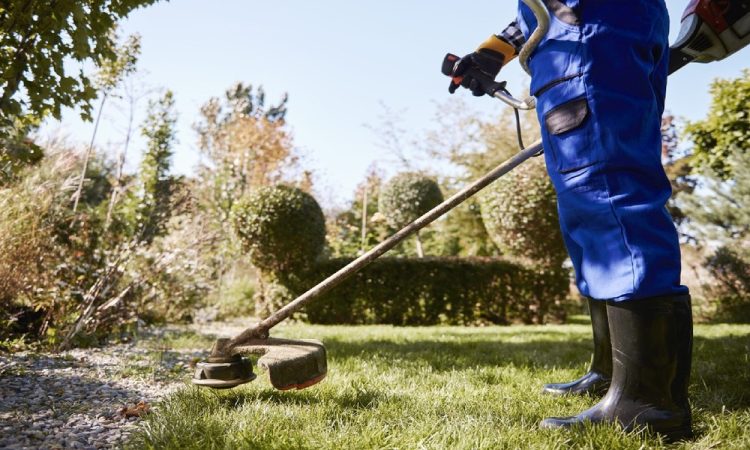
Landscape maintenance shapes the character of every commercial and residential property in Singapore, determining whether outdoor spaces thrive or fall into disrepair. In a tropical climate where rainfall averages 2,340 millimetres a year and temperatures hold steady between 25 and 31 degrees Celsius, vegetation grows with relentless vigour. Without consistent intervention, grounds deteriorate fast. Overgrown hedges, waterlogged turf and unchecked pest populations can transform a manicured compound into an eyesore within weeks.
Why Singapore’s Climate Demands Consistent Grounds Maintenance
Singapore sits one degree north of the equator. Sunlight, humidity and rain fuel year-round plant growth at a rate that temperate countries never experience. Turf grasses can require mowing every five to seven days during peak growing seasons. Shrubs and ornamental plants push new shoots continuously, blurring the clean lines that define a well-kept property.
Fungal diseases flourish in humid air. Root rot, leaf spot and powdery mildew attack weakened plants, spreading through poorly maintained beds. Scheduled inspections and prompt treatment prevent localised infections from becoming property-wide problems.
Core Services in a Landscape Upkeep Programme
Professional landscape maintenance programmes in Singapore cover a broad scope of recurring tasks. Each service targets a specific challenge posed by the local environment.
- Turf management – Regular mowing, aeration, fertilisation and irrigation checks keep grass dense, green and resistant to weed invasion.
- Tree pruning and canopy management – Arborists remove dead branches, shape crowns and reduce wind-sail risk before monsoon storms arrive.
- Shrub and hedge trimming – Crews maintain planting beds and boundary hedges on scheduled rotations to preserve form and encourage healthy branching.
- Pest and disease control – Technicians scout for infestations and apply targeted treatments to protect plant health without excessive chemical use.
- Hardscape cleaning – Pressure washing of pathways, drains and retaining walls prevents algae buildup and slip hazards.
- Irrigation system servicing – Teams inspect sprinkler heads, drip lines and timers to eliminate dry patches and water waste.
The Role of Greenery Maintenance in Property Value
Well-maintained grounds do more than look presentable. They protect long-term property value. A 2023 National Parks Board study found that commercial properties with mature, healthy landscaping commanded rental premiums of up to 12 per cent compared to similar buildings with neglected outdoor areas.
Tenants and visitors form impressions within seconds of arriving at a property. Patchy lawns, overgrown planting beds and cracked pathways signal neglect. A disciplined garden care Singapore programme communicates professionalism and attention to detail to every person who walks through the grounds.
“A city is not an accident but a work of will. If we decide to make it beautiful, we can.” – Lee Kuan Yew, founding Prime Minister of Singapore
How Professional Teams Approach Outdoor Grounds Management
Trained crews follow structured maintenance calendars that account for seasonal monsoon patterns, plant growth cycles and event schedules. A reliable provider assigns dedicated teams to each site so that workers know the property, its plants and its problem areas.
Site supervisors conduct monthly audits, documenting plant health observations with photographs and recommending corrective actions. This structured approach catches declining trees, drainage failures and irrigation leaks before they escalate into costly repairs.
Communication matters. The best providers issue clear monthly reports that property managers can share with building owners and management committees. Transparency builds trust and ensures every stakeholder understands the condition of their grounds.
Selecting a Grounds Maintenance Partner
Choosing the right partner requires more than comparing quoted prices. Property managers should evaluate several factors before signing a contract.
- Track record – Ask for references from properties of similar size and complexity. Visit those sites in person.
- Workforce qualifications – Confirm that arborists hold relevant certifications and that pesticide applicators are licensed by the National Environment Agency.
- Equipment standards – Modern, well-maintained machinery produces cleaner cuts, reduces noise complaints and finishes jobs faster.
- Safety record – Request documentation of workplace safety policies, training logs and incident history.
- Sustainability practices – Look for providers that compost green waste, use organic fertilisers and minimise chemical inputs.
A dependable grounds maintenance contractor will welcome scrutiny. Transparency about methods, staffing and pricing signals a provider that takes its obligations seriously.
Seasonal Considerations for Singapore Landscapes
The northeast monsoon (December to March) brings heavy rainfall that saturates soil and raises the risk of root diseases. During this period, drainage inspections and fungicide applications become critical. The drier inter-monsoon months (April to May) offer a window for major pruning, replanting and soil amendment work.
Smart scheduling aligns intensive tasks with favourable weather. Fertilisation before a dry spell wastes nutrients through runoff. Pruning during heavy fruiting disrupts birds that nest in mature trees. Experienced teams anticipate these patterns and adjust their work plans accordingly.
Building a Long-Term Greenery Strategy
Short-term fixes cost more over time. Replacing dead plants every quarter burns through budgets faster than investing in a preventive care programme. Forward-thinking property managers work with their landscape maintenance providers to develop three-to-five-year planting strategies that account for plant maturity, species suitability and changing site conditions.
Mature landscapes with established root systems require less water, resist pests more effectively and create denser canopy cover that reduces ambient temperatures. These long-term benefits compound year after year, delivering returns that far exceed the cost of consistent upkeep.
Property owners who commit to structured, professional landscape maintenance protect their investment, improve occupant satisfaction and contribute to Singapore’s reputation as a city within a garden.