




11views

The Quote That Grows Legs
Most people assume a moving quote is a fixed number, something you can lock in over the phone and forget about until the truck shows up. That assumption feels reasonable because other service industries work that way, and nobody wants to think too hard about logistics when they’re already juggling closing dates and change-of-address forms. The trouble is that household moving pricing almost never works like a flat-rate haircut. It’s built on weight, distance, labor time, and a dozen variable factors that shift depending on what’s actually in the house versus what was described on a phone call.
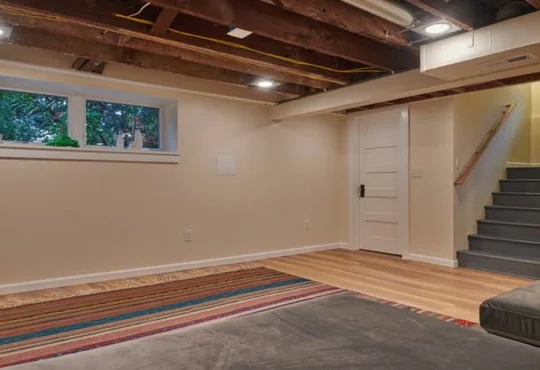
The homes along the Wasatch Front, from Provo to Orem to Spanish Fork, tend to have specific quirks that standard estimates miss. Basements get finished after the original listing was photographed. Garages accumulate storage that never made it into the inventory walkthrough. A narrow street in an older Springville neighborhood might mean the truck can’t park where the estimator assumed it would. Each of these small realities adds time, and time is what actually drives cost, not the number someone quoted over email three weeks earlier.
Insurance paperwork and payment terms add another layer that rarely gets explained clearly at the outset. Some estimates quote a base rate but leave out fuel surcharges, stair fees, or charges for bulky items like pianos and safes. Customers who ask for a written, itemized breakdown before signing anything tend to avoid the worst surprises, since a vague verbal quote gives a company room to add line items later without much pushback.
Matching the Crew to the Terrain and the Timeline
What tends to work better is treating the move as a local logistics problem rather than a generic transaction. Companies that operate specifically within Utah County know which neighborhoods have HOA restrictions on moving trucks, which apartment complexes require elevator reservations, and which streets turn into gridlock during BYU game days or university move-in weeks. That kind of regional familiarity shortens the job in ways a national chain dispatching from out of state simply can’t replicate.
This is where hiring locally starts to pay off in a way that’s easy to underestimate. Utah Valley residential movers have built their pricing and scheduling around the specific rhythms of the valley, including the seasonal crunch around summer semester turnover and the steady flow of families relocating between Lehi, American Fork, and Pleasant Grove. A crew that already knows the parking situation at a given condo complex doesn’t waste the first twenty minutes figuring out logistics, which translates directly into fewer labor hours billed at the end of the day.
There’s also a labor-management piece that gets overlooked. Smaller, regionally focused moving companies often keep a tighter roster of experienced movers rather than rotating in seasonal temp labor during peak months. That stability shows up in fewer dropped boxes, fewer scratched walls, and crews who’ve handled enough staircases and tight doorways in older Provo homes to know how to maneuver a couch without turning it into a half-hour puzzle.
Local crews also tend to have working relationships with nearby storage facilities and apartment management offices, which matters when a closing date shifts or a lease overlaps by a few days. Being able to call someone who already knows the building, rather than starting from scratch with an unfamiliar vendor, saves time that would otherwise turn into extra rental fees or last-minute scrambling.
Setting Up the Walkthrough So the Estimate Actually Holds
Applying this in practice starts well before moving day, usually with the walkthrough itself. A video call or in-person visit that covers every room, including storage areas and anything in the yard, gives the estimator a real picture instead of a guess based on square footage. Skipping this step is the single biggest reason quotes balloon later, since labor and truck space get calculated against what’s visible rather than what’s actually there.
Timing the move around the valley’s own calendar also matters more than people expect. Scheduling around the start or end of university semesters, when thousands of students in Provo and Orem are relocating at once, tends to get better rates and more flexible crew availability than trying to book during that window. Families with school-age kids often feel locked into summer moves, but even shifting a date by a week or two can open up scheduling slots that would otherwise be booked solid.
Communication on the day itself closes the loop. Walking the crew through the house before anything gets loaded, pointing out fragile items, and confirming the unloading address and access situation at the destination all reduce the chance of surprises showing up on the final bill. None of this requires special expertise, just a willingness to treat the move as a planned project rather than something that happens to you. The households that report the smoothest experiences are almost always the ones that spent an extra half hour upfront making sure the crew had accurate information to work from, and who kept a copy of the written estimate handy in case anything needed to be checked against it on the spot.
add a comment

Getting the Order Right on Exterior Upgrades Around Houston
Few homeowners around Houston replace their whole exterior at once. A roof gets done after a hailstorm, windows come later...


A New Aircon Installation Can Come With Government Support Most People Miss
Someone budgeting for a new aircon installation typically prices out the unit, the labour, and calls it done, without realising...

When Is It Time for Old Gutters to Come Down for Good?
The storm rolls in on a Tuesday evening, and within ten minutes water is pouring over the front gutter in...


COMMUNICATION PROTOCOLS FOR ON-DUTY FIRE WATCH GUARDS
1. INTRODUCTIONEffective communication is crucial to a fire watch guard's performance, both during regular patrols and in the crucial moments...
