Rich wooden floors have always whispered stories of craftsmanship and heritage. The journey from raw timber to gleaming floorboards holds a legacy that continues to shape the spaces we live and work in today.
The Origins of Hardwood Flooring: Tradition Meets Craftsmanship
Centuries ago, early wood flooring was both practical and artistic. Craftsmen laid rough-hewn planks directly over joists, using hand tools to shape and fit each board. Every scrape, notch, and nail reflected the builder’s skill. These floors wore their history proudly, bearing marks of daily life over years and even generations.
As techniques evolved, the concept of refinishing gained traction. People realized that instead of replacing worn boards, they could revive their original luster. This practice not only honored the resource-intensive nature of quality wood but also celebrated its natural character. Styles varied regionally, with maple prized in the Northeast, oak dominating European manors, and pine favored in rural homes. Each choice echoed local resources and aesthetic sensibilities.
Evolution of Hardwood Floor Refinishing Methods
Originally, refinishing was a grueling manual process. Craftsmen would labor over floors with sandpaper and hand tools, smoothing imperfections inch by inch. The arrival of mechanical sanders in the 20th century turned the tide, making restoration faster and more consistent. Suddenly, homeowners could transform battered boards into polished showpieces with less disruption.
The next leap came with dustless sanding technology. This innovation didn’t just protect air quality; it preserved the integrity of the floors themselves by minimizing scratches and uneven wear. Modern finishes, from tough polyurethane to eco-friendly oils, have further improved durability and visual impact, allowing homeowners to achieve custom looks that last.
Recognizing When Refinishing is Necessary
Hardwood floors are durable, but even the toughest surfaces eventually display their age. Deep scratches, dull patches, uneven coloring, and water stains are all indicators that a floor may need attention. Sunlight and heavy foot traffic accelerate wear, especially in bustling households or commercial spaces.
However, not all wood types are equally suited for repeated refinishing. Thicker solid planks can be sanded several times, while thin veneers on engineered floors may only allow one or two treatments before risking damage. Understanding what lies beneath your feet is the first step in preserving it wisely.
Modern Refinishing Process: Step-by-Step Transformation
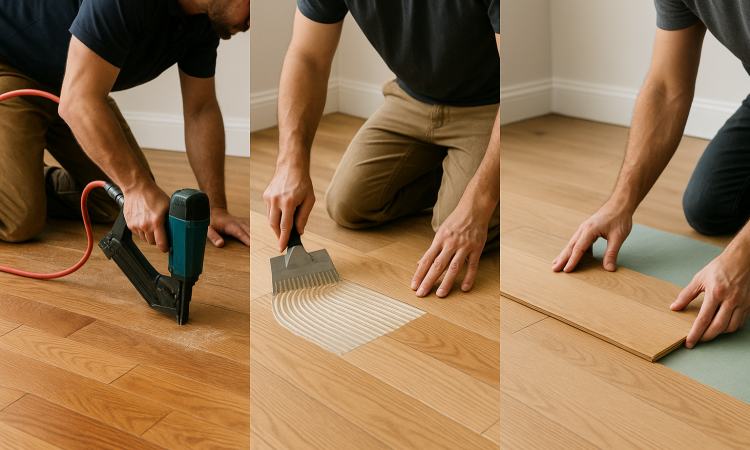
The transformation begins with meticulous preparation. Furniture is cleared, and dust barriers are often installed to protect adjoining rooms. Choosing the right tools and abrasives for the wood species and floor condition is essential.
Sanding remains the heart of refinishing, but gone are the days of clouds of dust and hours of manual labor. Modern equipment ensures an even finish, exposing fresh wood while retaining the floor’s integrity. Once smooth, stains and sealants can be applied to enhance color, texture, and protection. Whether aiming for a pale Scandinavian vibe or a deep, classic walnut tint, the finishing touch is always tailored to the client’s vision.
The Impact of Sustainability on Refinishing Practices
Growing environmental awareness has shaped the way floors are renewed. Eco-friendly finishes now offer low-VOC and non-toxic alternatives without sacrificing performance. Water-based sealants dry faster and emit fewer fumes, making spaces safer for families and pets.
Refinishing itself is inherently sustainable, extending the life of existing materials and reducing landfill waste. Many professionals, such as Mebesa sablage de plancher Marieville, advocate for these eco-conscious practices, blending tradition with responsibility. With advances in recycling and material recovery, the industry is increasingly aligned with the goals of modern green living.
Elevating Aesthetic and Functionality Through Refinishing
A refinish is more than a facelift; it’s an opportunity to personalize a room. Homeowners are experimenting with patterns like herringbone or two-tone borders, creating custom looks that reflect their style. At the same time, enhanced finishes increase resilience, safeguarding floors against the rigors of busy kitchens, lively pets, and high heels.
Proper aftercare makes all the difference. Placing area rugs in high-traffic zones, cleaning with recommended products, and addressing spills promptly can keep a floor looking flawless for years. With mindful maintenance, the beauty of refinished wood can become a lasting legacy.
The Future of Hardwood Floor Refinishing
Looking ahead, the refinishing field is poised for further transformation. Smart sanding equipment equipped with sensors promises unprecedented precision. Hybrid flooring solutions, combining natural wood with advanced composites, may redefine both aesthetics and performance.
As lifestyles and design preferences shift, so too will the standards for what makes a floor exceptional. Yet, the essence remains unchanged: honoring the beauty of wood and the art of renewal. In an age of quick fixes, the enduring value of a masterfully refinished hardwood floor continues to elevate every space it graces.