
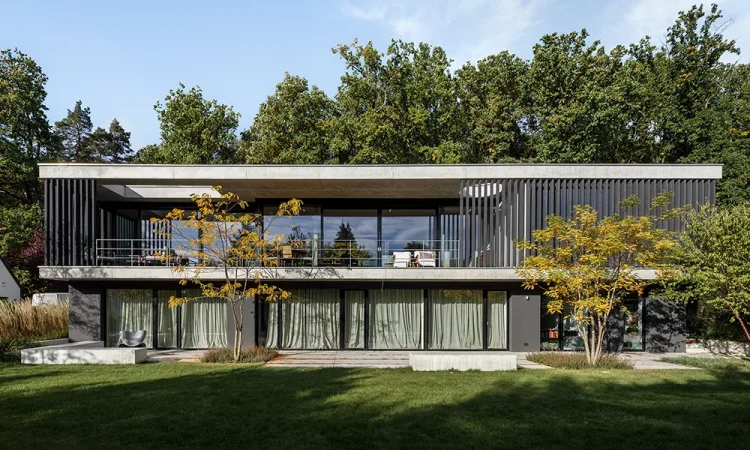
Architecture can range from a small residential house to a giant skyscraper, depending on the needs. In architecture, one of the most basic differences that characterizes the discipline is between commercial and residential. While many of the same principles in design and construction apply across the board, there are some fairly broad differences in goals and constraints between the two aspects. This distinction is often explored in professional discussions and reference materials, including resources such as https://www.pa-architect.com/fort-lauderdale/commercial-architecture/, which outline how purpose influences architectural decision-making.
Purpose and Functional Requirements
The main distinction between commercial and residential architecture is how the project will be utilized. Residential architecture is focused on creating private residences or places for people to live comfortably, providing security, comfort, and emotional wellness. While commercial architecture caters to facilities that are intended to be used by either the public or private sectors on an occasional basis (e.g., retail, office buildings), they also include spaces for the healthcare community, hotels, and restaurants.
In accommodating large numbers of customers and or clients, commercial buildings generally require a very different layout than residential buildings do. Commercial buildings need to facilitate traffic flow, provide for accessibility, and be flexible enough to accommodate numerous different uses, which is often why commercial buildings have multiple entrances/exits. Residential buildings, however, prioritize family routines and ways of living, and place a higher emphasis on providing a long-term living solution.
Scale of Design/Site Layout
Commercial structures typically operate at a much larger scale than do residential sites. The construction of a commercial structure can have multiple levels, contain large open spaces, and have intricate structural systems that allow for heavy loads and high occupancy levels. When designing a commercial building, it is essential to incorporate/understand how people will move through and around the building, as well as how they will evacuate in an emergency, and what kind of service systems the commercial building will require.
Typically, residential structures are much smaller than commercial structures, and therefore the sites contain more direct, personal, and intimate relationships between the individual rooms (i.e., kitchens, bedrooms, bathrooms), and therefore, the way that the rooms are arranged and sized is done primarily with emphasis placed on comfort and safety, rather than to control large crowds of people moving in and out of the building. This scale difference leads to significant differences in material choices, structural systems, and design complexity.
Building Codes and Regulatory Standards
The next difference between residential and commercial construction methods is that commercial structures must adhere to much stricter building codes and safety regulations. Because commercial buildings are used by the public, they must follow strict safety and building rules. These include proper fire safety systems, easy access for people with disabilities, strong structures that can handle physical stress, and reliable mechanical systems. All of these requirements must be carefully planned and built into the structure. Residential buildings are governed by building codes as well; however, they are typically less complicated and are designed to meet the needs of a lower number of occupants than commercial buildings. The complexity of coordinating with many different governing organizations and experts to ensure compliance can make the design and approval processes much more involved for commercial projects.
Design Priorities and Aesthetics
An additional difference that exists between residential and commercial architecture involves how designers prioritize aesthetic considerations within their designs. When designing a home, designers typically draw from an individual’s or family’s unique artistic vision, cultural customs, and lifestyle needs to determine the home’s style and aesthetic value. As such, visual appeal is certainly affected by the building’s ability to generate feelings of warmth, texture, and a sense of domestic security.
Commercial buildings, on the other hand, must balance aesthetic considerations with functional character, brand identity, and durability. Designers choose building materials based on their expected performance and durability; design features are intended to support wayfinding, identity, and a user’s overall experience rather than to express individual design preference.
Systems, Technology, and Infrastructure
Office buildings depend on sophisticated mechanical, electrical, and plumbing systems to support round-the-clock operation at high levels of occupancy. Heating, ventilation, and air conditioning need to be strong and energy-saving, whereas lighting and acoustics are designed for efficiency and safety.
Residential systems are simpler systems, intended for intermittent operation. Even in modern residences, there may be automated systems, but systems on a larger scale, with redundancy, are nowhere near as extensive in commercial systems.
Long-Term Use and Versatility
Commercial architects incorporate flexibility as one of their priorities. This is because buildings are usually erected to meet changing demands for usage over time, tenants, as well as evolving technologies. Such buildings can ensure extended lifetimes of functionality.
Residential buildings are more likely to emphasize stability and individuality over change. While remodeling can occur, typically, home design emphasizes stable use patterns rather than changes associated with constant renovation and rearrangement.
Conclusion
The divergence in commercial and residential building architectural styles results from the various intended uses, target audiences, and regulatory frameworks. It is useful to relate these divergences to the architectural treatment of design challenges. Neutral educational resources help illustrate how architectural principles are applied differently depending on context, reinforcing the importance of function-driven design in the built environment.